
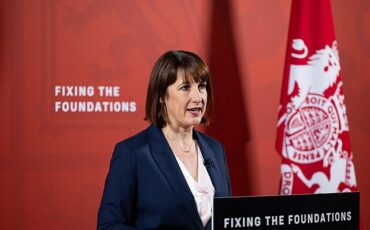
Chancellor Rachel Reeves delivered her first Spring Statement yesterday (26 March 2025).
This year’s Spring Statement strikes a cautious tone, aiming to tighten the Nation’s belt while investing strategically in the future. While no direct tax rises were introduced, changes to services and inflation may still affect day-to-day life. With a focus on fiscal responsibility, investment in infrastructure, and reforms to public services, the statement sets out a roadmap intended to balance the books while supporting growth. As always, keeping an eye on future announcements will be important.
Here are the key points that may be of interest:
ISA reforms pending
Although no immediate or concrete changes were announced, the government did confirm that it will be looking to reform ISAs. The main focus of this reform appears to be Cash ISAs, in an effort to encourage more people to invest their savings.
Some investment firms have been lobbying the Chancellor to make Cash ISAs less attractive by applying a £4,000 cap on the amount that can be saved into them. This has not been confirmed, however, and is merely speculation at this stage. We will be watching any further announcements closely over the coming months.
Tax and Compliance
While the Spring Statement did not introduce new taxes, it did signal increased efforts to improve tax compliance. These measures are forecast to bring in £2.2 billion by 2029–30. However, the Chancellor has not ruled out future tax increases, leaving the door open to further adjustments if economic conditions require.
Reeves also announced a crackdown on tax avoidance, including more investment for HMRC to be able to catch those dodging what they owe. In the immediate, any late payers will be subject to a higher rate of fine from next April.
Currently, those who are late in paying their tax bill incur a 5% penalty after the first 30 days, and a further 5% after six months. This will rise to 3% after the first 15 days, then a further 3% after 30 days. Another 10% will come due on day 31, making the total fine 16% after 31 days. A further 10% penalty will apply for each year the tax remains unpaid.
Pensions
Notably, there was no mention of the findings or outcomes from the government’s consultation on the pension reform announced in the Autumn Budget, which will bring pensions into estates for Inheritance Tax (IHT) purposes from 2027.
Since the consultation closed at the end of January, nothing further has yet emerged around this. We are keenly awaiting further information and will provide an update as soon as we have one.
The economy & mortgage rates
The Office for Budget Responsibility (OBR) has revised growth forecasts downwards. The economy is expected to grow by 1% in 2025, down from the previously forecast 2%, with a recovery to 1.9% in 2026. Inflation is projected to be 3.2% in 2025 but is expected to fall back to the Bank of England’s target of 2% by 2027.
Whilst this year’s figure is higher than was predicted in the Autumn Budget, the OBR is now predicting a faster return to 2% inflation than was first thought. This should in turn lead to lower mortgage rates, which is good news for homeowners who have been particularly feeling the squeeze of inflation these past few years. On the flip side, falling inflation generally means lower interest rates for savers – it’s a see-saw effect.
Financial Allocation to Wales
The Welsh Government is set to receive an additional £16 million in funding for the 2025-26 financial year, supplementing the £1.6 billion increase confirmed in the Autumn Budget. First Minister Eluned Morgan welcomed this boost, stating it would enable further investment in the NHS, reduction of waiting times, support for schools, and community development initiatives.
Public Spending and Welfare Reforms
The Chancellor announced significant changes to government spending, aiming to save £14 billion by 2029–30. This includes £3.4 billion in savings from welfare reform. These changes are expected to impact up to 250,000 people. Although the specifics of the reforms were not fully detailed, there is an emphasis on encouraging those who can work to do so, echoing previous government messaging around benefits and work incentives.
An additional £3.6 billion will be trimmed from departmental day-to-day spending, and 10,000 civil service jobs are set to be cut, with savings redirected to frontline services such as policing.
While these measures are UK-wide, the specific impact on Wales will depend on how the Welsh Government allocates its budget and implements corresponding policies.
What next?
As ever, if you have any concerns or questions please do get in touch. You can email us directly at theteam@uniqfamilywealth.co.uk or telephone us on 02920 782330.
Our phone lines are manned 9:00-17:00, Monday-Thursday. Please note we operate a four-day working week.